Százhalombatta
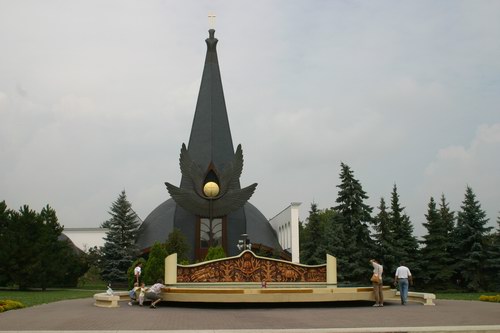
 Százhalombatta,
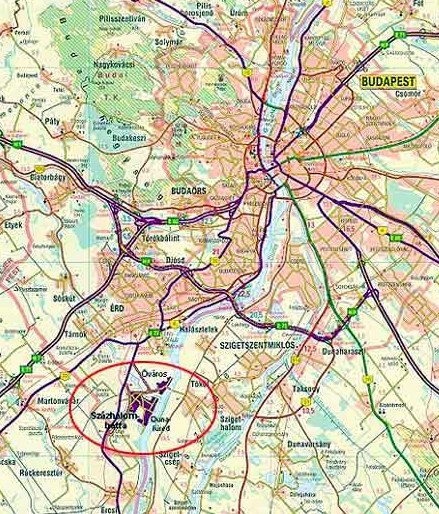
a small town of around 20,000 residents, is located 25 km south of Budapest.
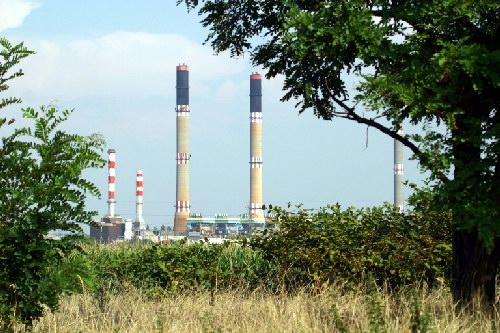
The local oil refinery and power station have a significant role to play
in the energy supply of the entire country. The town abounds in natural,
archaeological and architectural historical sights and places of interest.
Százhalombatta,
a small town of around 20,000 residents, is located 25 km south of Budapest.
The local oil refinery and power station have a significant role to play
in the energy supply of the entire country. The town abounds in natural,
archaeological and architectural historical sights and places of interest.
The early Iron Age (7-6 century B.C.) group of tumuli from which the
town takes its name (in Hungarian, "halom") from part of the
European-famed Archaeology Park. This is Hungary's only early history
open-air museum in which authentic reproductions of houses, ovens and
outhouses from the Bronze and Iron Ages have been constructed. The reintroduction
of primitive plant species has also started.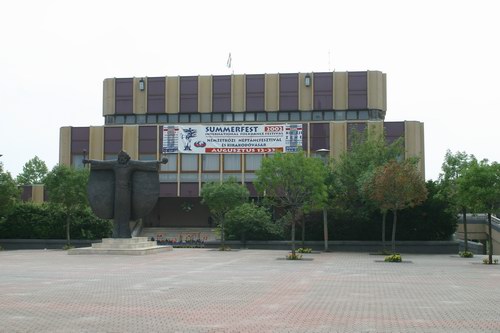 Visitors are permitted to try their hand at some early handicrafts: spinning,
weaving and jewellery making. One of the sensations of the Park is the
tumulus conserved and reconstructed on its original site; a multimedia
programme in several languages takes the visitor through the burial rites
of the age. Aside from the programmes there is the opportunity to sample
griddlecakes baked from locally grown spelt wheat and dishes cooked to
ancient recipes.
Visitors are permitted to try their hand at some early handicrafts: spinning,
weaving and jewellery making. One of the sensations of the Park is the
tumulus conserved and reconstructed on its original site; a multimedia
programme in several languages takes the visitor through the burial rites
of the age. Aside from the programmes there is the opportunity to sample
griddlecakes baked from locally grown spelt wheat and dishes cooked to
ancient recipes.
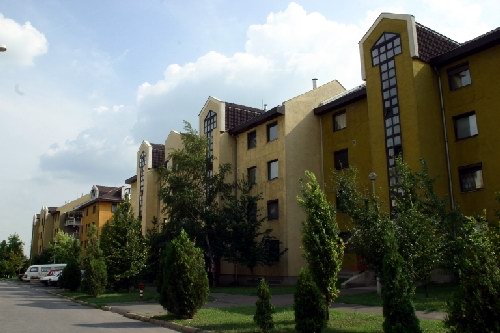 The town museum,
which bears the name "Matrica" after the Roman encampment in
the Dunafüred part of town, has an attractive display outlining the 4000-year-old
history of Százhalombatta. Visitors can see the remains of a Roman age
bath and the modem churches in the main square in Dunafüred, while the
Old Town boasts restored 100-150-year-old folk houses in Szent László
Street, and a Serb Orthodox church built in 1750. Taking a stroll away
from the Archaeology Park, by passing through the Iron Age tumuli field
one comes across Bronze Age earthworks fortified by a rampart. The 3-star
hotel in the town provides comfortable accommodation, a conference room
and a wide range of services.
The town museum,
which bears the name "Matrica" after the Roman encampment in
the Dunafüred part of town, has an attractive display outlining the 4000-year-old
history of Százhalombatta. Visitors can see the remains of a Roman age
bath and the modem churches in the main square in Dunafüred, while the
Old Town boasts restored 100-150-year-old folk houses in Szent László
Street, and a Serb Orthodox church built in 1750. Taking a stroll away
from the Archaeology Park, by passing through the Iron Age tumuli field
one comes across Bronze Age earthworks fortified by a rampart. The 3-star
hotel in the town provides comfortable accommodation, a conference room
and a wide range of services. 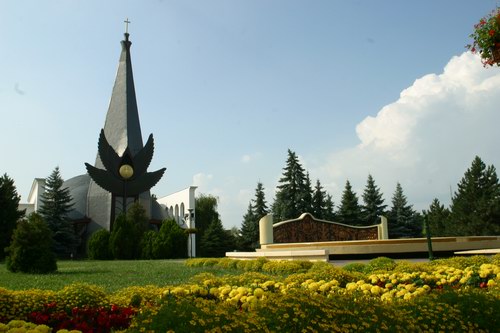 The
pleasant restaurants hereabouts, the local beach, riding and rowing opportunities
all ensure that visitors really enjoy their stay here.
The
pleasant restaurants hereabouts, the local beach, riding and rowing opportunities
all ensure that visitors really enjoy their stay here.
The archaeological park of Százhalombatta is a living museum: instead
of the locked world of show-case, the past comes to life. Students, adults
and families can take part in unusual history courses and can muse amongst
the Bronze and Iron Age houses, outbuildings, and over reconstructions.
Visitors can get acquainted with the skills of prehistoric craftspeople:
they can weave, wattle, a fences, shape vessels, and make Bronze Age jewellery.
On request, can be made from emmer grown nearby and visitors can taste
dishes made according to prehistoric recepies. 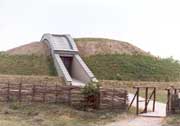 The
mounds, dating from 7th to the 6th century BC, are resting places of the
high ranking members of the Hallstaft culture. The bodies were collected
and put into either urns or previously constructed burial chambers. The
most intact mound No. 115 is presented "in situ" in the southern
part of the cemetery. A special attraction is the burial chamber reconstructed
from the original oak timbers, where a multimedia show sound and light
effects describes the burial rite of the age.
The
mounds, dating from 7th to the 6th century BC, are resting places of the
high ranking members of the Hallstaft culture. The bodies were collected
and put into either urns or previously constructed burial chambers. The
most intact mound No. 115 is presented "in situ" in the southern
part of the cemetery. A special attraction is the burial chamber reconstructed
from the original oak timbers, where a multimedia show sound and light
effects describes the burial rite of the age.